
Categories
Benedictine Spirituality Christ Communion Divine Office Eucharist Foot washing Gospel Lectio Divina Lent Liturgy Maundy Thursday Scripture

Extragavant love… Extragavant heartbreak

BACKGROUND READING MARK 14: 12-25

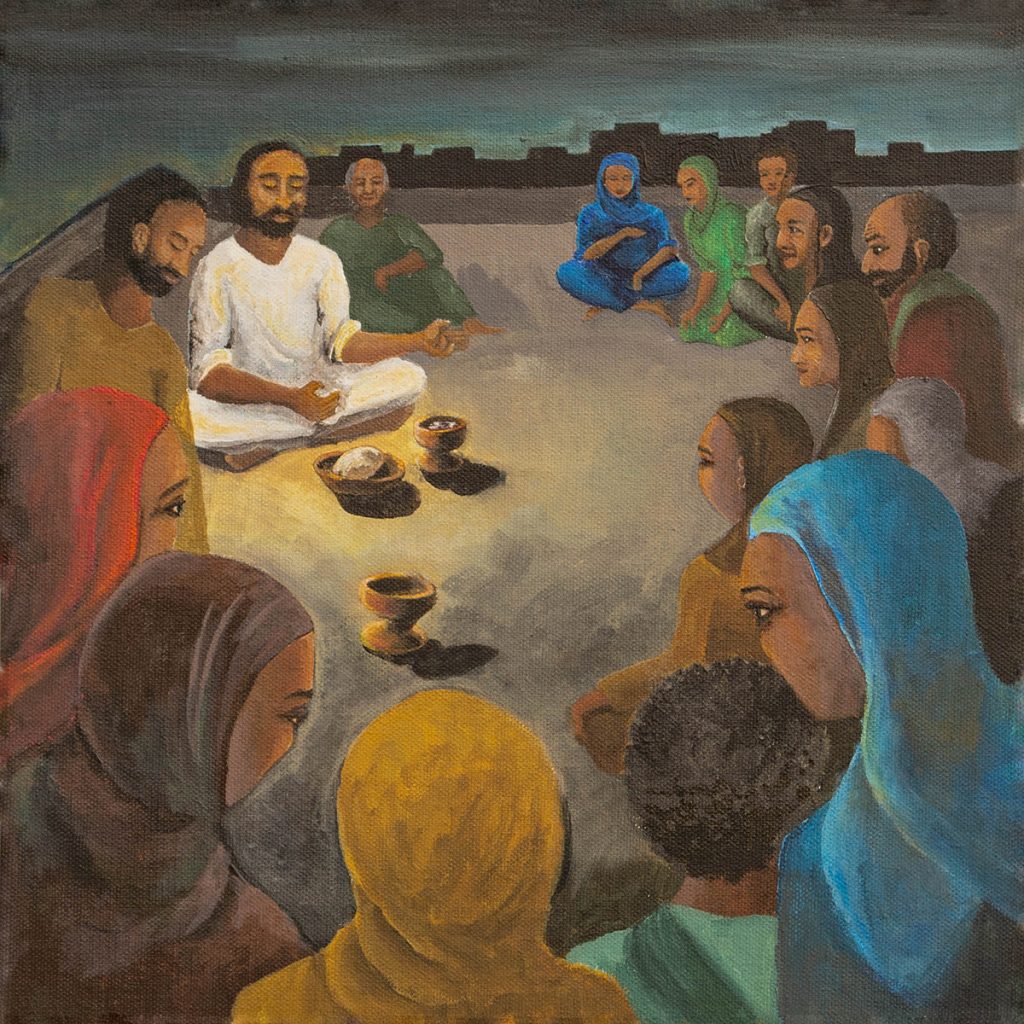
Image © Ally Barrett (www.reverendally.org) and used by permission

Joanna was one of the group of women who follows Jesus. The wife of Chuza, Herod’s steward, she was part of the group who used their personal resources to provide for Jesus. Feeling stifled by life at court she went to Capernaum to hear Jesus speak and became a follower.

Joining Jesus in Jerusalem for Passover Joanna was anxious and unsettled. She senses a dark shadow hanging over them. Jesus has started to talk about suffering, death and rising again.

This added to her sense of foreboding. She found a practical outlet for her stress, worrying about where they will celebrate the Passover. Eventually she snaps at Jesus:

“So where do you want us to go and make preparations for you to eat the Passover?”

To her relief, Jesus had it in hand. She went off with Susannah to make the arrangements and found everything as he said it would be.

They gathered to celebrate the Passover, drawing strength from the shared meal and remembering the story of their freedom. They received Jesus’ offering of his body and blood in the form of bread and wine, though they don’t understand its significance.

As Jesus left for Gethsemane with the disciples her discomfort turned to dread. Her friend sums up what they are facing:

“That’s the problem with extravagant love, it leads to extravagant heartbreak.”

Those words also touch the heart our Maundy Thursday liturgies that acknowledge both the best and the worst we can be. We all recognise the intimate link between the love and heartbreak.

How is the extravagant love of Christ helping you to face your heartbreak this Holy Week?
You can listen to Joanna’s story here:

Categories
Benedictine Spirituality Christ Communion Corpus Christi Divine Office Gospel Liturgy Prayer Resurrection Scripture

In the presence of Christ

Image by Aline Ponce from Pixabay

As we celebrate the feast of Corpus Christi I’m reflecting on the nature of Eucharist. The Scripture that comes to mind is the Emmaus story. Although it’s not part of the feast’s liturgy it seems to me to capture something of its essence.

It acknowledges the despair and hopelessness of the disciples as they trudged home disappointed and unsettled by all that has happened. We can identify so strongly with those feelings in our own lives that we almost feel the weight of it all as they pour out their story to Jesus. They remind me that Eucharist offers us an opportunity to bring our brokenness, hurt and disappointment into the presence of Christ.

Jesus responds to their despair by taking them through the Scriptures already know, reminding them of the passages that speak about the Messiah. As he does this their hearts are ignited, and through their sadness they glimpse something so good that they don’t want to let it go, so they invite him to stay with them. Full recognition only dawns as they sit down to eat together and:

“He took the bread and said the blessing; then he broke it and handed it to them. And their eyes were opened, and the recognised him…”

It seems to me that the essence of the Eucharist is an invitation rediscover the reality of Christ’s presence in every part of our lives, in our liturgies, in our communities, in all our relationships and activities.

As we celebrate the feast of Corpus Christi where do you recognise the reality of Christ’s presence in your life?

Categories
Benedictine Spirituality Christ Communion Gospel Lectio Divina Liturgy Scripture Uncategorized

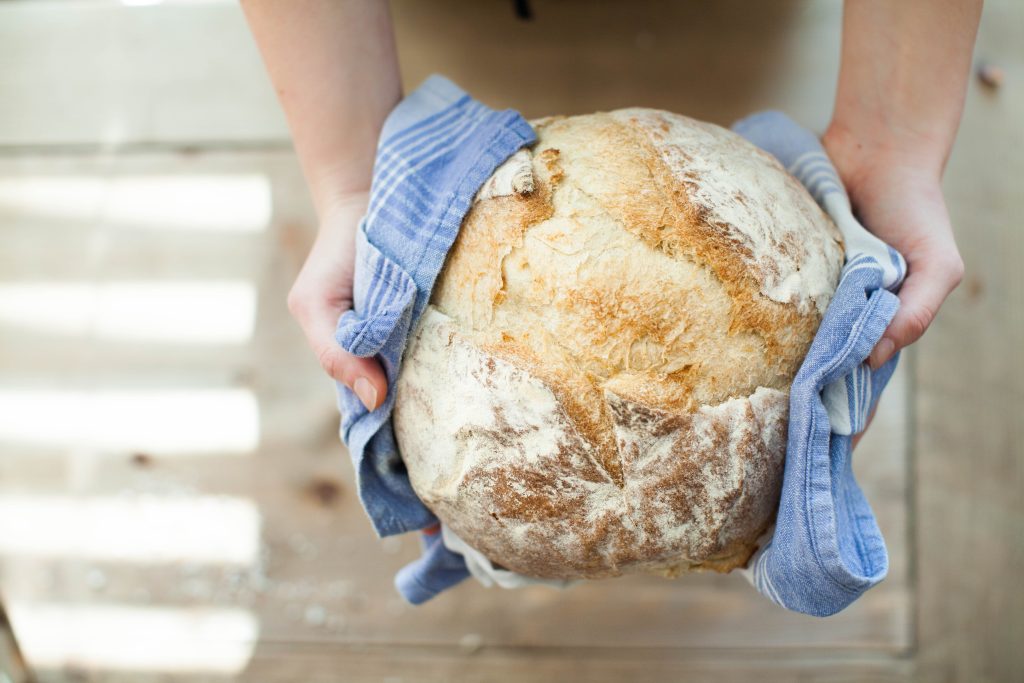
The Bread of Life.

Image by Gini George from pixabay.com

This week’s readings both focus on the reality of our physical needs and point us beyond them. It seems to me that this speaks to the heart of our reality. As humans we have real, physical needs that can’t be pushed aside if we are to flourish. This is played out in the first reading when the Israelites complain to Moses and Aaron that they have no food. When the Moses takes their complaint to the Lord it’s met, with no quibbling or blaming:

“I have heard the complaints of the sons of Israel. Say this to them, “Between the two evenings you shall eat meat, and in the morning you shall have bread to your heart’s content .”

But God also knows that meeting physical needs alone is not enough for true human flourishing, for that both our spiritual and physical needs need to be addressed. So, having provided manna to satisfy their hunger God seeks to draw the people into a deeper relationship saying:

“Then you will learn that I, the Lord, am your God.”

The gospel, following on from the feeding of the five thousand, has a similar pattern. Having met the physical needs of the hungry and tired crowd Jesus invited them to embrace a bigger picture:

‘I am the bread of life. Those who comes to me will never be hungry; those who believes in me will never thirst.’

In offering them himself, the Bread of Life, offers them the opportunity to accept a reality that acknowledges both their physical and spiritual needs.

Where is Christ offering you nourishment today?