Categories
Benedictine Spirituality Christ Lectio Divina Lent Scripture

Restored to wholeness.

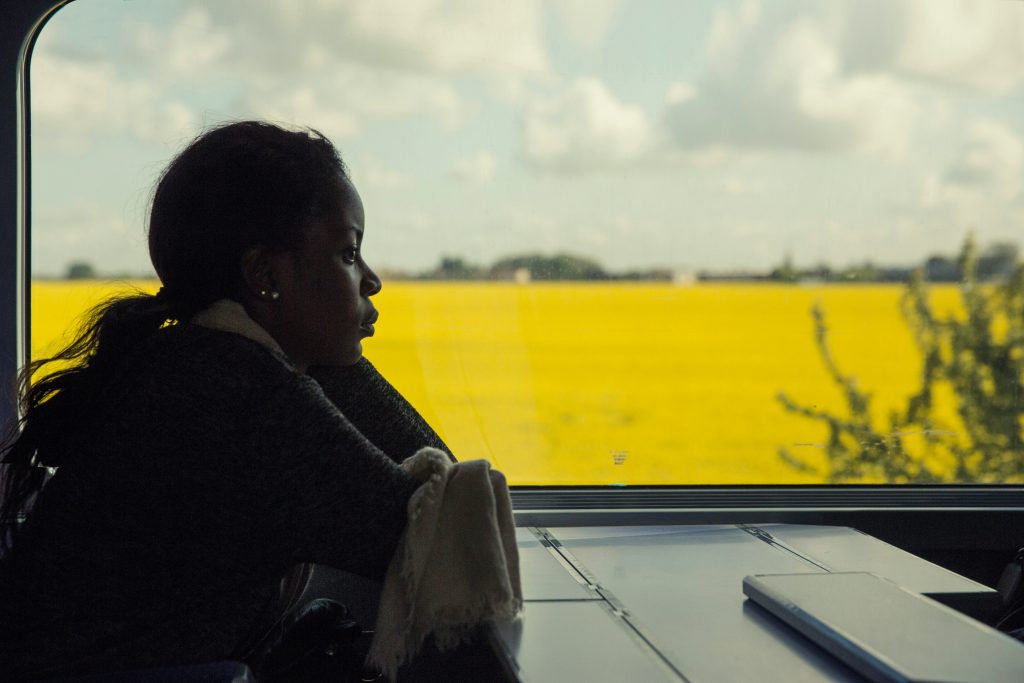
Photo by Elena Mozhvilo on unsplash.com

The 28 word in my Lent lexicon is:

WHOLENESS.

Lent is a time for acknowledging brokenness. It calls us to reflect on our fragmented lives and relationships and the effect these can have on our lives and our relationships. As Lent calls us to acknowledge our fragmentation it also calls us to seek the healing that will restore us to wholeness within ourselves and in our relationships and societies.

In today’s 1 reading Ezekiel presents us with a beautiful image of wholeness. It recalls the unity and the wholeness of the creation narratives when God’s Spirit hovered over the waters bringing forth life in abundance. He shows us all of creation, held together by God, producing good things in abundance to sustain, nurture and heal all life:

“Along the river, on either bank, will grow every kind of fruit tree with leaves that never wither and fruit that never fails; they will bear new fruit every month, because this water comes from the sanctuary. And their fruit will be good to eat and the leaves medicinal.”

So many things in life can leave us fragmented and broken. We can learn to live with that, but in our hearts we know it’s only a partial life, not the full and rich lives we’re created for and called to. It leaves so much of us cut off, abandoned or ignored.

So we live with this unfulfilled desire to be healed and for our wholeness to be restored. In offering us this image of wholeness Ezekiel invites us bring our fragmented selves back to God seeking to be made whole again. It’s requires humility to admit the brokenness, trust to ask for the healing we need and gratitude for the God who longs to make us whole again.

Where do you need God to restore you to holiness today?

Categories
Benedictine Spirituality Christ Gospel Lectio Divina Lent Scripture

People of hope.

The 27 word in my Lent lexicon is:

HOPE.

Dr ina melny on unsplash.jpg

Hope is essential for life. Its opposite, hopelessness can quickly drain all our energy and make life seem very difficult.

It’s relatively easy to be hopeful when life is going well. When we feel secure in our personal lives and when our societies seem prosperous and stable. At those times hope seems the obvious choice and doesn’t require much effort.

When life gets more challenging it’s much harder to be hopeful. When we see suffering, misunderstanding and even cruelty in every direction hope can begin to feel impossible and pointless. The same applies when we’re offered false hope, promises that we know in our hearts won’t stand the test of time and become reality. In his letter to the Romans St Paul gives us a reason to hope that will stand up whatever we face:

“Hope does not disappoint, since the love of God has been poured into our hearts by the Holy Spirit.”

Writing in his own challenging times St Paul could see that the real source of hope is the love of God holding us in being however challenging our times are.

Today’s gospel takes up this message. Desperate as the court official is at his sons’ illness he’s able to glean enough hope in the hard situation to ask for Jesus’ help and to believe it when Jesus tells him his son will live:

“The man believed what Jesus had said…”

In our own challenging times we too can rely on the hope that God offers us will sustain us and support us whatever we’re compelled to face.

Where is Christ offering you hope this Lent?

Categories
Benedictine Spirituality Christ Lectio Divina Lent Scripture

Made for Joy.

Photo by Noah Silliman on unsplash.com

The 26 word in my Lent lexicon is:

JOY.

It’s Laetare Sunday, the halfway point in Lent when we pause our Lent practices for a day. We add flowers and music to our liturgies again, we may change the liturgical colours for a day. All of this is not because we’ve had enough of Lent and need a break. The reason we pause is to remember that our salvation is already assured. It’s a day to remember that Christ has already risen, and that is the source of our joy.

It’s hard to be joyful these days when life is so hard and so uncertain. It’s a lot easier to be pessimistic about our prospects than to be joyful. In these circumstances being joyful becomes a discipline, it becomes a practice that we have to choose.

We have to actively look for joy in our lives. Joy can’t only be connected good things happening in our lives. Even when life is hard and we are suffering joy can sustain us. The source of joy is deeper than the events of life. St Paul sums it up in his second letter to the Corinthians when he writes:

“For anyone who is in Christ, there is a new creation; the old creation has gone, and now the new one is here. It is all God’s work.”

His words remind us that the source of our joy is in our relationship with God. It is the new creation that God works in each of us that enables us to be joyful, even when our lives are hard. It is the love of God that hold us in being and creates us anew that enables us to be joyful even in hard times.

Where are you discovering glimmers of joy this Lent?

Categories
Benedictine Spirituality Christ Gospel Lectio Divina Lent Rule of St Benedict Scripture

The call of humility.

Image by Mike Lewinski on unsplash.com

The 25th word in my Lent lexicon is

HUMILITY.

It’s another word with deep Benedictine roots. St Benedict dedicates a whole chapter of the Rule to it. He describes humility the steps on a ladder. The sides of the ladder he describes as our body and soul. This is a hopeful and holistic view. St Benedict is aware that humility requires self-awareness and acceptance of our whole reality, physical, spiritual, emotional.

Already his approach goes some way to untangling the mixed messages we receive about humility that can make it more challenging than it really is. We often think of humility as admitting our failings, and this is definitely part of it. We never think about the other side of humility, acknowledging our gifts and talents.

Humility is not a call to put ourselves down, although it requires that we accept those openly. It’s a call to self-knowledge, which means admitting both our failings and our gifts.

The difference between the two men in today’s gospel is that one has an honest view of himself, while the other has chosen to believe the wholly positive image that he presents to the world. Both had a choice to make, as do we. Jesus points us in the direction of the best path to choose:

“Those who exalt themselves will be humbled, but those who humble themselves will be exalted.”

Humility is a challenge both because we have to walk away from our false self and because we have to openly accept that our true self is a mixed bag of faults and talents.

Where are you learning humility this Lent?

Categories
Benedictine Spirituality Christ Gospel Lectio Divina Lent Rule of St Benedict Scripture

Conversion of life.

The 24th word in my Lent lexicon is

CONVERSION.

This is a particularly good word for a Benedictine to reflect on during Lent as conversion of life is one of our vows, and it’s always worth revisiting those from time to time. It’s a call always to be turning back to God, always to be open to the working of God in our lives.

It’s a call always to be open to the new life God offers us, even if choosing life sometimes doesn’t feel very life-giving. Conversion of life calls us to be prepared to change our ways, to try again.

In the first reading Isaiah presents conversion as a returning to God’s presence:

“Come back to the Lord your God…”

He invites us to acknowledge how far we have wandered from God and how we need to come back into God’s presence to be healed and restored. He promises us that if we find the courage and humility to do this we will be met with love as God says:

“I will heal their disloyalty; I will love them with all my heart…”

This brings us to the heart of the call to conversion. As Jesus points out in the gospel it is all about love:

“You must love the Lord your God with all your heart, with all your soul, with all your mind and with all your strength. The second is this: You must love your neighbour as yourself. There is no commandment greater than these.”

The call to conversion is a call to allow ourselves to be healed and loved by God, and to bring that healing love into our relationships with one another. Then, knowing ourselves to be loved we are able to reach out and love others.

Where is God calling you to conversion of heart this Lent?

Categories
Benedictine Spirituality Christ Gospel Lectio Divina Lent Scripture

Pay attention.

Photo by Jakub Żerdzicki on unsplash.com

The 23 word in my Lent lexicon is:

ATTENTIVE.

Today’s gospel shows some of the controversy that surrounded Jesus’ ministry. Having cast out a devil he is accused of doing so through the power of Satan. He takes his accusers to task, challenging them to reflect on their attitudes and to pay attention to what is going on around them.

It’s a wake-up call, a call to pay attention. He says to them:

“If it is through the finger of God that I cast out devils, then know that the kingdom of God has overtaken you.”

They don’t expect to find the kingdom of God in this wandering rabbi. His words call them to look beyond their prejudices, to allow for the possibility that the kingdom might appear in surprising and unexpected ways.

His words speak powerfully to us too. We also have our prejudices and expectations. Like the people in the gospel we think we know where it’s possible to encounter God. Jesus reminds us that the kingdom will always be a surprise.

It will always become apparent in unexpected places and unexpected ways. So, we need to be constantly alert. We need to be attentive, with eyes and hearts open to the possibility of encountering God in every situation and in every encounter.

When life is hard we are tempted to do the exact opposite of this. We are inclined to narrow our views and to close down rather than to risk opening up to new possibilities.

Jesus’ call is to work against this tendency. His call is to keep being open, alert and attentive so that, even in these most challenging times we will be able to recognise the kingdom unfolding in our midst.

Where are you being called to be attentive to the presence of the kingdom in your life this Lent?

Categories
Benedictine Spirituality Christ Lectio Divina Lent Scripture

Remembering

Photo by Ryan Byrne on unsplash.com

The 22 word in my Lent lexicon is:

REMEMBER.

As well as being a practical tool to help us organise our days and our thoughts our memories help shape and define who we are. Moses reminds the people of this in today’s first reading from the book of Deuteronomy:

“Take care what you do and be on your guard. Do not forget the things your eyes have seen, nor let them slip from your heart all the days of your life; rather, tell them to your children and to your children’s children.”

His words are much more than a reminder to keep the laws and customs that God has laid down for them on their journey through the desert. They are a call on a much deeper level to remember that they are a people chosen by God, loved by God and held in being by God. His words call them to remember they are formed and shaped by a sacred relationship.

These words have a particular resonance for us in Lent. It’s a time for going back to our roots. It has its own rules and regulations, customs and practices that shape the time for us. However, important as those are they are not the essence of Lent. Lent is a time when, like the Israelites in the desert, we are called to remember who we truly are.

It’s a time to remember that we are called into relationship with the God of love. We are called to allow that love to form our lives and our relationships. It’s a time to remember and rediscover our true selves. Lent calls us to remember once again the person God calls us to be.

What is the essential thing God is calling you to remember this Lent?

Categories
Benedictine Spirituality Gospel Lectio Divina Lent

Encounter with the living God.

Photo by Johnny Cohen on unsplash.com

The 21 word in my Lent lexicon is

ENCOUNTER.

The Lent scriptures are full of significant encounters with God. Moses, the blind beggar, the Samaritan woman and the disciples all have life changing encounters with God that we hear about in Lent.

None of those are as significant as the encounter at the heart of today’s feast, the Annunciation. Mary’s encounter with the angel Gabriel is life changing, not just for her, but for all of creation. St Benedict of Clairvaux captures its significance in one of his sermons, writing of all of creation waiting with bated breath for Mary’s answer:

“The angel is waiting for your answer, it is time for him to return to the God who sent him. We too are waiting, O Lady…If you consent straightaway shall we be saved…by one little word of yours in answer shall we all be made alive.

Her response propels her, us and all of creation into a new reality:

“I am the handmaid of the Lord…let what you have said be done to me.”

It’s often portrayed as a moment of calm and serenity, sometimes the depictions also hint at confusion and disruption. I suspect that the reality encapsulated all of those. It’s important to be aware of this when we come to reflect on our own life changing encounters with God. We hope and expect these to be moments of communion that are calm and serene.

We recognise times when we’re as certain of God’s presence as the disciples at the transfiguration. Yet our encounters with God can also be confusing, disruptive and disconcerting. It seems to me that if our own encounters with God are to be truly life changing they have to have disturb our lives as well as offering consolation.

How is God challenging you to allow God’s presence to disrupt your life this Lent?

Categories
Benedictine Spirituality Christ Divine Office Lectio Divina Lent Liturgy Psalms Scripture

Yearning for God.

Photo by Gary Bendig on unsplash.com

The 20 word in my Lent lexicon is:

YEARNING.

It’s inspired by psalm 41, today’s responsorial psalm. Generally, I tend to overlook the responsorial psalm, looking first for insights in the other scripture readings. I often miss out on real wisdom and insight by doing that. So today I’m reflecting on these words:

“Like the deer that yearns for running streams, so my soul is yearning for you, my God.”

It speaks to that longing that we all feel deep within us most of the time. Sometimes it feels like we’re always looking for something that we never quite find or that we’re always slightly dissatisfied with what we have. It can be unsettling and frustrating at best.

We can try to fill that gap with money, possessions, career or success. In my experience that works to some extent. For a while we can feel fulfilled and satisfied by those things, but after a while we begin to realise that those are not enough. Underneath the apparent satisfaction we become aware of a niggling feeling we want something more regardless of how well we are meeting the goals we set for ourselves.

That underlying discontent can be uncomfortable. We can be tempted to push it aside, trying to fill the gap with more of the same, but that doesn’t often work. Instead we can sit with the discontent & discover its true source is our desire for God. Once we can acknowledge that it can lead us to seek God’s presence in our lives in new & enriching ways.

Where is your yearning for God leading you this Lent?

Categories
Benedictine Spirituality Christ Gospel Lectio Divina Lent Scripture

Second chances.

Photo by Michal Hlaváč unsplash.com

The 19 word in my Lent lexicon is:

SECOND CHANCE.

We live in a world that is quick to judge and to dismiss those are viewed as not living up to our expectations. We live in a “cancel” culture that dismisses anyone who criticises or even disagrees with us. This makes life feel very pressured for all of us. We feel the pressure of always being right and are stressed by the constant effort of avoiding anything that looks remotely like failure.

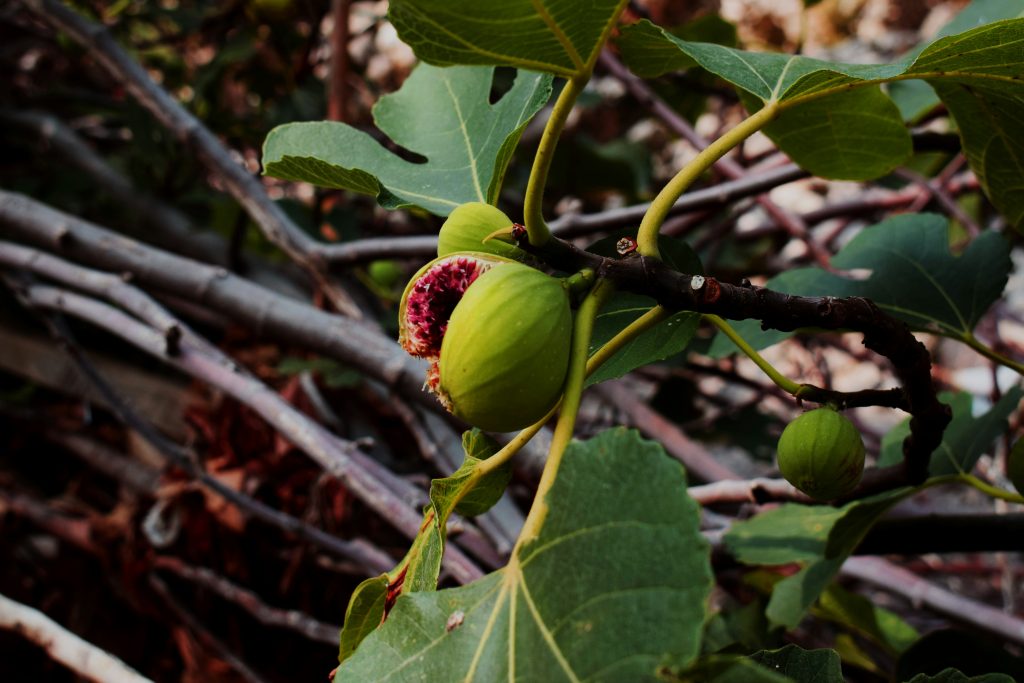
In today’s gospel Jesus takes the opposite approach. In telling the crowd the parable of the fig tree he reminds us that God is a God of second chances. When the vineyard owner sees his fig tree isn’t bearing fruit his inclination is to cut it down and use the space for something else. His gardener stays his had saying:

“Leave it one more year and give me time to dig round it and manure it: it may bear fruit next year; if not, then you can cut it down.”

The gardener recognises a potential in the fig tree that the master misses. He sees that with extra care, attention and nourishment the tree might flourish and bear fruit, however unlikely it seems.

When we feel like we’re failing or that our lives are not bearing fruit Jesus looks at us in the same way as the gardener looks at the fig tree. He sees beyond the disappointment and hopelessness. He offers us a second chance, knowing that with care, attention and nourishment we too can bear fruit, even if we can’t quite believe it ourselves.

Where is Christ offering you a second chance this Lent?